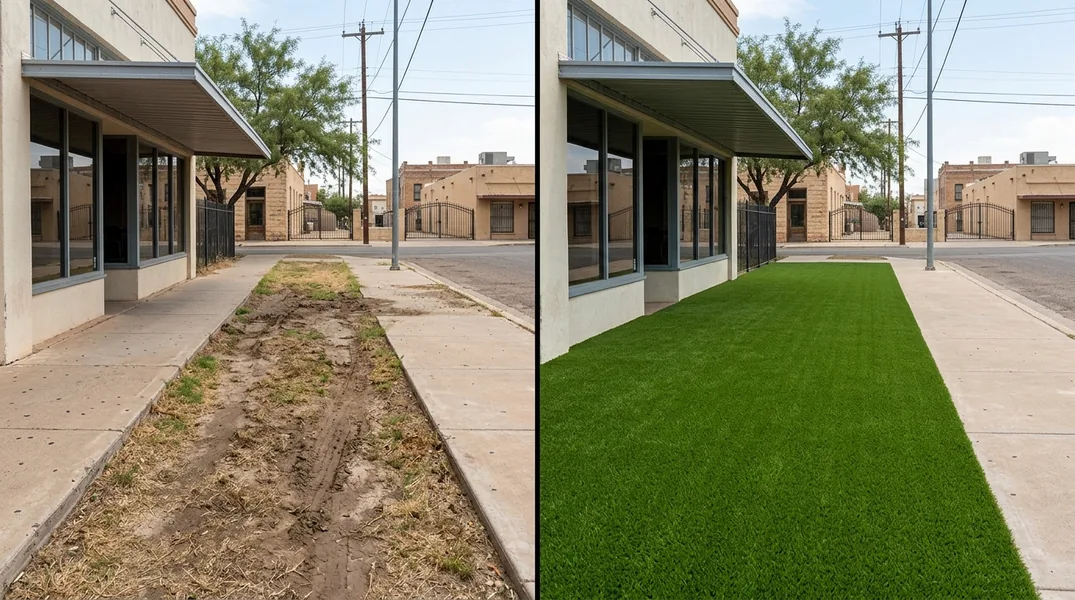
Does Artificial Grass Really Get Too Hot in Laredo?
If you're considering Residential Artificial Grass Installation in Laredo, you've probably heard the concern: artificial turf gets scorching hot in the Texas summer sun. The short answer is yes, artificial grass does absorb and retain heat more than natural grass, but the full story is more nuanced and entirely manageable with the right approach.
The reason artificial grass heats up more than natural grass comes down to material composition and physics. Natural grass has a living root system and moisture content that helps regulate temperature through evapotranspiration, a natural cooling process. Synthetic turf, by contrast, is made from plastic fibers and backing materials that absorb solar radiation and don't have that built-in cooling mechanism. In direct sunlight during a Laredo summer, artificial grass surface temperatures can climb 30 to 50 degrees Fahrenheit higher than the ambient air temperature. That means on a 95-degree day, your turf could reach 140 to 160 degrees Fahrenheit in peak afternoon hours.
However, this doesn't mean artificial grass is unusable or unsafe. The key difference between a comfortable outdoor space and an uncomfortably hot one comes down to infill choices, shade design, and smart installation practices that professional installers understand well.
How Hot Does Artificial Turf Actually Get in Laredo Summers?
Understanding the actual temperature range of artificial grass helps put the concern into perspective. Modern artificial turf temperature can vary significantly based on several factors, including the color of the grass, the type of infill material used, sun exposure, and time of day. Dark green or darker-toned synthetic grass tends to absorb more heat than lighter varieties, while lighter turf can stay 5 to 10 degrees cooler. The backing material and density of the turf also play a role in how quickly heat builds up and how long it retains warmth.
In Laredo, where summer temperatures regularly exceed 95 degrees Fahrenheit and the sun is intense, peak turf surface temperatures can reach 150 to 170 degrees on a clear afternoon. For perspective, that's hot enough to be uncomfortable underfoot for bare feet, but it's not hot enough to cause burns in the brief contact time of normal use. The real comfort issue comes from prolonged barefoot activity, such as children playing or pets spending extended time on the turf. This is why shade solutions and proper infill selection are so important for residential installations in our climate.
Cooling Infill Solutions: The Game Changer for Heat Reduction
The most effective way to manage artificial turf heat is through the choice of infill material. Traditional silica sand infill, while cost-effective, absorbs and retains heat readily. Modern cooling infill options have transformed the artificial grass industry and made hot climates like Laredo much more practical for synthetic turf installations. Cooling infill products use specially designed materials that reflect rather than absorb solar radiation, keeping your turf significantly cooler throughout the day.
The most popular cooling infill options include recycled rubber infill with reflective coatings, cork-based infills, and specialized polymer infills engineered specifically for heat reduction. These materials can lower turf surface temperatures by 20 to 40 degrees Fahrenheit compared to standard sand infill, making a dramatic difference in comfort and usability. Some homeowners in Laredo also choose a combination approach, using cooling infill in high-traffic or play areas while using standard infill in less-used zones to manage overall project costs.
When you invest in a professional Residential Artificial Grass Installation, your installer can recommend the best cooling infill for your specific needs and budget. The upfront investment in premium cooling infill is typically modest compared to the overall project cost, and it dramatically improves your family's comfort and satisfaction with the installation. If you'd like to discuss cooling infill options and get specific recommendations for your property, reach out to Laredo Artificial Grass Installation at (956) 552-9927 for a free estimate.
Shade, Landscaping, and Strategic Design to Keep Turf Cooler
Beyond infill selection, the design and placement of your artificial grass installation can significantly impact how hot it gets. Strategic shade placement is one of the most effective heat management tools available. Trees, pergolas, shade sails, and even the shadows cast by your home or structures can reduce direct sunlight exposure and keep turf temperatures much more manageable. If you have mature trees on your property, positioning your turf installation to benefit from their afternoon shade is a smart move. For new installations, planning shade structures during the design phase ensures comfort from day one.
Water features and light-colored hardscaping around your turf can also help moderate temperatures. A pool or water feature nearby can create a cooling microclimate, which is why Pool Surround Turf installations are increasingly popular in hot climates. Light-colored pavers, gravel, or decorative stone surrounding your turf reflect heat rather than absorbing it, creating a more balanced thermal environment in your outdoor space. Additionally, choosing lighter-colored artificial grass varieties instead of dark green can make a noticeable difference in surface temperature.
Proper drainage design also contributes to temperature management. Well-designed installations allow air circulation beneath the turf, which helps dissipate heat more effectively than installations with poor drainage and airflow. Your professional installer will ensure your base preparation and drainage system are optimized for both water management and thermal performance.
Is Artificial Grass Safe for Pets and Children in Hot Weather?
One of the most common concerns homeowners raise is whether artificial grass gets too hot for children and pets during Laredo summers. The honest answer is that with proper cooling infill and shade management, artificial grass is safe and comfortable for both. Most children and pets spend only brief periods with their feet directly on the turf, and even at high surface temperatures, the brief contact time doesn't cause injury. That said, if your family enjoys extended barefoot play or if you have pets that spend all day outdoors, cooling infill becomes even more important.
For families with active dogs or frequent outdoor play, Pet Turf & Dog Run Installation with cooling infill is an excellent investment. Pets are particularly sensitive to heat on their paw pads, and cooling infill makes a noticeable difference in their comfort level. Many pet owners in hot climates report that their dogs are more active and comfortable on cooled artificial turf than on natural grass during peak summer months. Similarly, children can play safely on properly installed and cooled turf without the risk of heat-related discomfort.
The key is choosing the right materials and design for your specific situation. Your installer can assess your family's usage patterns and recommend the best approach to keep everyone comfortable and safe.
Maintenance Tips to Keep Your Artificial Grass Cool and Comfortable
After your artificial grass installation is complete, simple maintenance practices can help keep your turf cooler and more comfortable throughout the hot season. Regular rinsing with a hose, particularly during or after the hottest parts of the day, can provide temporary cooling relief and help maintain the turf's appearance. This practice is especially helpful if you're planning to use the space with children or pets during afternoon hours. The water evaporates quickly in the dry Laredo climate, but it provides noticeable temporary cooling.
Keeping debris and organic material cleared from the turf surface also helps maintain better heat management. Leaves, dirt buildup, and other debris can trap additional heat on the surface, so regular light brushing and clearing keeps the turf functioning at its best. Additionally, ensuring your cooling infill remains evenly distributed across the installation prevents hot spots where infill has shifted or compressed. Professional maintenance visits can help optimize your turf's thermal performance year-round.
If you have questions about maintaining your artificial grass or want to discuss cooling options before installation, the team at Laredo Artificial Grass Installation is here to help. Call us at (956) 552-9927 or visit our website at https://laredo-artificial-grass.com to learn more about how we can design a comfortable, cool artificial grass solution for your home.
Looking for a professional artificial grass installation company in Laredo? Laredo Artificial Grass Installation responds fast for all your artificial grass installation needs.
Get a Free Quote